

© Corey Recko
Carnivals in the 1950s were a much different experience than they are today. They included Freak Shows, Clowns in a dunk tank, Geeks (they'll eat anything), and strippers. Recently, my first novel, which takes place at a small town carnival in 1953, was published. With two nonfiction history books and numerous nonfiction articles to my name, when I decided on the setting for the novel, I initially approached it as I would a history book. I learned all I could about carnivals in that era. The result was the mystery novel Death of a Kootch Show Girl, which is as much about the carnies themselves as it is a mystery.
One of the more entertaining aspects of 1950s carnivals that I learned about during my research were the various cons perpetrated by the carnies. Below are five examples of ways you might have been conned out of your money if you attended a carnival in 1953.
Old-Time Carnival Scams
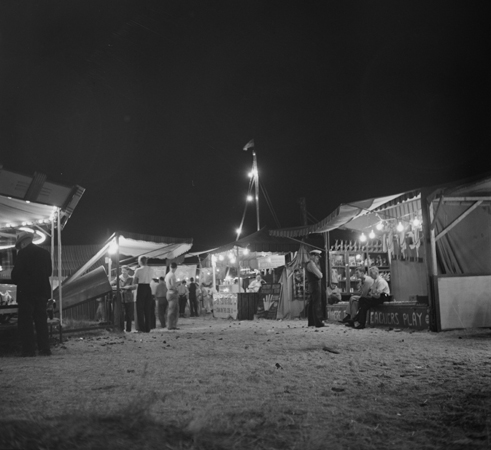

Mark: an object of attack, ridicule, or abuse; specifically :a victim or prospective victim of a swindle (Source: https://www.merriam-webster.com/dictionary/mark)
Ticket collectors would often shortchange marks, using such tricks as double counting a bill folded in half.
Ticket Collectors Shortchanging Marks
Cigarette Shooting Gallery
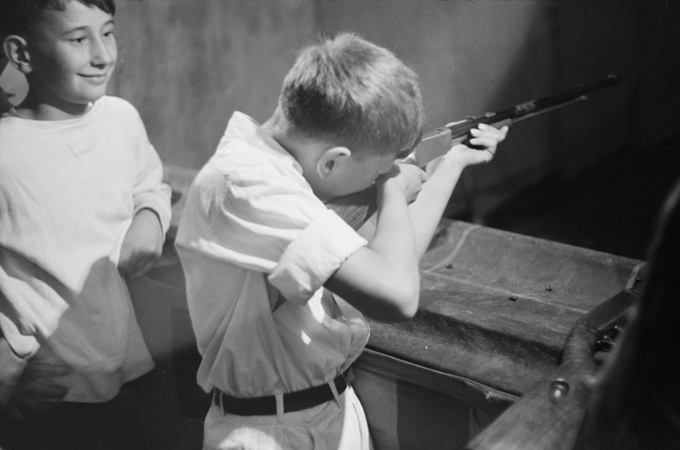
The Cigarette Shooting Gallery is a game where the customers used an air rifle to knock a standing pack of cigarettes off a stand. When the package of cigarettes is placed in the center of the stand, it will fall off when hit. However, if the package is placed near the front of the small stand, it will fall over but not off the stand.
Wheel of Fortune
The Wheel of Fortune is a game of chance where the operator spins the wheel while customers hope they have the winning number. At a crooked carnival, the mark's chance is severely diminished because of a pedal that's attached to a break. The operator uses the pedal to control where the wheel stops.
Selling Motel Room Keys
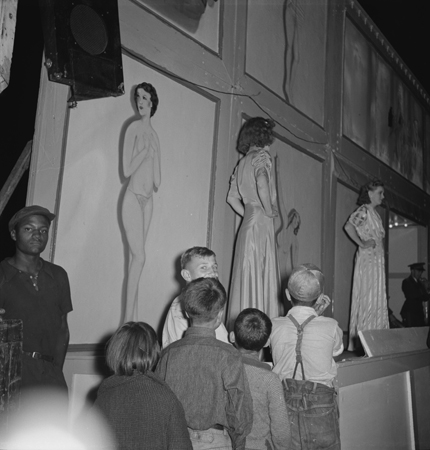
In an interview for Arthur Lewis's 1970 book Carnival, the author was told of a scam in which an attractive young girl sold keys to a room she said she was staying in at a nearby motel. Of course she wasn't actually staying there. She was said to have sold thirty to forty keys a night.
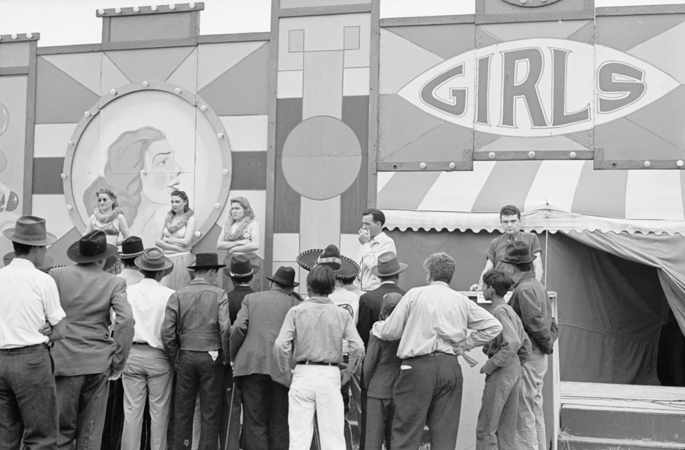

Five carnival photos courtesy of the Library of Congress Photo Archives.